Understanding Columbia's Unique Clay Soil Challenges
Columbia sits in a region known for its expansive clay soils, which present unique challenges for homeowners planning driveway installations. Clay soil is notorious for its ability to absorb and retain moisture, causing it to expand and contract with seasonal changes. This natural movement can wreak havoc on driveways if the underlying foundation isn't properly prepared, regardless of whether you choose asphalt or concrete.
The Boone County area experiences significant freeze-thaw cycles during winter months, and clay's moisture retention amplifies this problem. When water seeps into clay soil beneath your driveway, it freezes during cold snaps and expands, pushing upward against the surface above. This creates the foundation heave that leads to cracking, buckling, and premature deterioration. Understanding how each material responds to these soil conditions is critical when deciding between asphalt and concrete for your property.
Asphalt vs Concrete Driveway: How Each Responds to Clay
When comparing asphalt vs concrete driveway options in clay-heavy regions, the flexibility of asphalt becomes a significant advantage. Asphalt is a semi-rigid material that can flex slightly as the ground beneath it shifts, which helps it accommodate the movement caused by clay soil expansion and contraction. This flexibility means your Asphalt Driveway Paving & Installation is less likely to develop sudden, catastrophic cracks when the soil moves beneath it. Instead, asphalt tends to develop small surface cracks that are easier and more affordable to repair before they become major problems.
Concrete, by contrast, is a rigid material with very little give. When clay soil expands and pushes upward, concrete cannot flex to accommodate the movement. The result is often dramatic cracking, heaving, and spalling (surface deterioration). Once concrete cracks due to soil movement, the damage is typically more severe and expensive to fix than comparable asphalt damage. While concrete can certainly be installed over clay soil with proper preparation, it generally requires more intensive foundation work and ongoing maintenance to prevent major issues.
Another consideration is water management. Asphalt naturally sheds water more effectively than concrete because of its slightly porous nature and the way it's installed with a crown (slight slope) to encourage drainage. Concrete, while impermeable on its surface, can trap water at its edges and in small cracks, allowing moisture to seep into the clay below and worsen expansion problems over time.
The Asphalt Driveway Lifespan in Clay Soil Conditions
Understanding asphalt driveway lifespan expectations is essential for Columbia homeowners deciding between materials. In ideal conditions with stable soil, a quality asphalt driveway typically lasts 15 to 20 years. However, in clay-heavy regions like Columbia, an asphalt driveway can actually perform at the higher end of this range or even exceed it, provided it receives proper maintenance and is installed over a well-prepared base.
The key to maximizing your blacktop driveway lifespan in clay soil is investing in proper installation. This means adequate base preparation, including gravel or crushed stone layers that allow for drainage and reduce direct clay contact with the asphalt. Columbia Asphalt Paving ensures that every installation includes appropriate base work to handle the region's soil conditions. With regular maintenance including seal coating every 2-3 years and prompt Driveway Repair of small cracks before they spread, your asphalt surface can remain serviceable well into its second decade.
Concrete driveways in clay soil, by comparison, often experience significant problems within 7-10 years if the soil movement is severe. The rigid nature of concrete means that once major cracking begins, it tends to accelerate. Repair options are limited and expensive, making the total cost of ownership often higher than asphalt despite concrete's reputation for being more durable in general.
Installation Considerations: Preparing for Clay Soil Success
Proper installation is where asphalt truly shines in clay-heavy environments. When you choose Asphalt Driveway Paving & Installation from a reputable local contractor, the preparation phase is critical. This includes removing the existing soil to appropriate depths, installing a compacted base layer of crushed stone or recycled asphalt (typically 4-6 inches), and ensuring proper grading to promote water drainage away from the driveway.
The flexibility of asphalt installation also allows contractors to adjust thickness and base composition based on specific soil conditions. In areas with particularly problematic clay, a thicker asphalt layer or additional base preparation can be added without the same cost penalties that would apply to concrete. This customization capability means your driveway can be specifically engineered for Columbia's soil characteristics.
Concrete installation over clay requires similar base preparation, but the material itself offers less room for accommodation. Concrete contractors may recommend thickened edges, reinforcement mesh or rebar, and even moisture barriers, all of which add to the initial cost. Additionally, concrete requires proper curing time and specific weather conditions during installation, which can delay projects and increase expenses.
Maintenance and Long-Term Cost: Asphalt Over Concrete
When you're comparing the total cost of ownership between asphalt and concrete, maintenance expenses matter significantly. Asphalt requires regular seal coating to protect it from UV damage, water penetration, and oxidation. This preventative maintenance, typically costing a few hundred dollars every 2-3 years, extends your driveway's life dramatically. Small issues like hairline cracks can be sealed quickly and inexpensively, preventing them from developing into major problems that compromise the base layer.
Concrete, while appearing maintenance-free on the surface, can develop expensive problems in clay soil. Concrete crack repair, if caught early, might cost a few hundred dollars, but heaving or spalling often requires partial or full replacement, running into thousands of dollars. Additionally, concrete surfaces can develop discoloration and staining that homeowners find unsightly, though this is primarily cosmetic. In clay soil regions, the structural damage potential far outweighs the cosmetic concerns.
If you're considering an asphalt over concrete driveway approach (laying new asphalt over an existing concrete surface), this can be a cost-effective solution if your concrete is structurally sound. However, if the concrete has heaved or cracked due to clay soil movement, laying asphalt over it may only delay the inevitable, as the underlying problems will continue to cause issues. Proper assessment by a professional is essential before choosing this approach.
Asphalt Driveway Paving & Installation Cost in Columbia: What to Budget
When planning your driveway project, understanding the investment required is crucial. Asphalt typically costs less to install initially than concrete, generally ranging from 2 to 4 dollars per square foot for basic installation, though this varies based on site conditions and local market factors. For a typical 500-square-foot driveway, you might expect initial installation costs significantly lower than concrete alternatives. To understand current pricing for your specific project, Columbia Asphalt Paving recommends getting a free estimate from a local contractor familiar with the region's soil conditions.
Concrete installation typically costs 4 to 8 dollars per square foot, and when you factor in clay soil preparation requirements, costs can climb even higher. Over a 20-year lifespan, the combination of lower initial asphalt costs plus modest maintenance expenses often totals less than concrete's higher upfront cost plus expensive repairs. This makes asphalt the more economically sensible choice for clay soil regions when you account for the full lifecycle cost.
Don't let initial price be your only consideration. A cheap installation that ignores clay soil realities will cost you far more in repairs than a properly engineered asphalt driveway. Columbia Asphalt Paving brings decades of experience handling the specific challenges of Central Missouri soil conditions. Contact us at (573) 488-6542 to discuss your project and receive professional guidance tailored to your property's unique situation.
When to Consider Asphalt Resurfacing Instead of Replacement
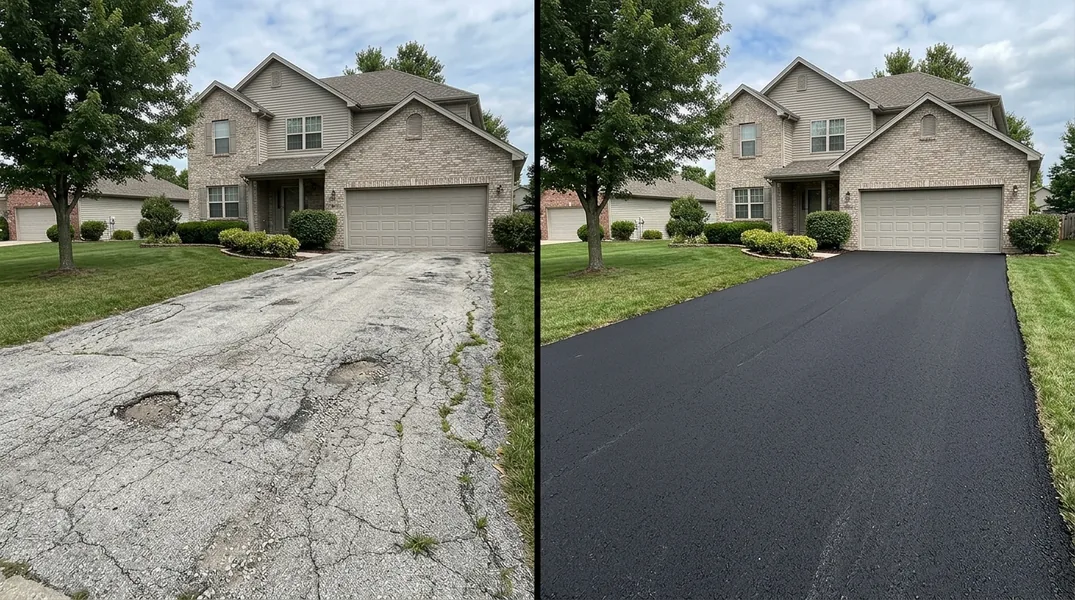
If you already have an aging asphalt driveway showing signs of wear, Asphalt Resurfacing & Overlay may offer a cost-effective alternative to complete replacement. This process involves milling away the damaged top layer and applying a fresh asphalt surface, typically costing 30 to 50 percent less than full replacement. For homeowners in Columbia with driveways that have developed surface cracks or minor deterioration but whose base layer remains intact, resurfacing can extend the driveway's life another 10-15 years.
Resurfacing is also an excellent option if you're dealing with an asphalt over concrete driveway situation where the concrete base has remained stable. The new asphalt overlay provides fresh protection and renewed appearance without the expense and disruption of removal and replacement. This approach works particularly well in clay soil areas where the existing base has proven its ability to handle soil movement.
Minor surface issues like small cracks or potholes should be addressed promptly through Pothole Repair & Asphalt Patching to prevent them from developing into problems that require resurfacing. Regular maintenance is always more cost-effective than allowing damage to accumulate.
Making Your Decision: Asphalt Wins for Clay Soil
For homeowners in Columbia facing the decision between asphalt and concrete, the clay soil reality makes asphalt the superior choice in most situations. Its flexibility accommodates soil movement, its maintenance costs remain manageable, and its installation can be customized for local conditions. While concrete has advantages in other regions with stable, well-draining soils, clay-heavy areas benefit significantly from asphalt's practical advantages.
The decision ultimately depends on your specific property, budget, and long-term goals. Professional assessment of your site's soil conditions, drainage patterns, and existing infrastructure should guide your choice. Columbia Asphalt Paving has successfully installed and maintained countless driveways throughout the region, and our team understands exactly what works best in Columbia's unique environment. Whether you're planning a new installation, considering resurfacing, or need repairs to an existing driveway, we're ready to help. Call us at (573) 488-6542 or request a free estimate to discuss your project with our experienced professionals today.
Looking for a professional asphalt paving contractor in Columbia? Columbia Asphalt Paving responds fast for all your asphalt paving needs.
Get a Free Quote