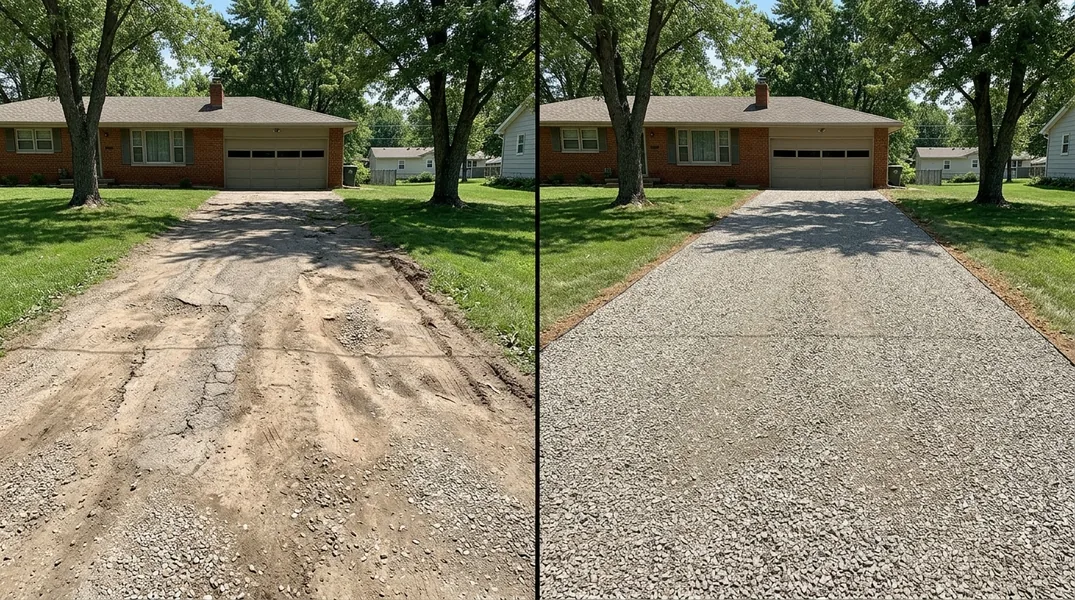
How Spring Hail Damages Your Driveway
Spring in Boone County brings unpredictable weather, and hailstorms are one of the most destructive forces your driveway faces. When hail strikes asphalt, it creates small cracks and surface divots that might seem minor at first. However, these tiny openings are gateways for water penetration. Once water seeps beneath the asphalt surface, it weakens the base layer and accelerates deterioration. What started as cosmetic damage can quickly become a structural problem that requires expensive repairs.
The damage pattern from hail is distinctive. You'll notice a pitted or cratered appearance across the surface, sometimes in concentrated areas where the storm was most intense. Columbia homeowners often don't realize how serious hail damage becomes until the following season, when cracks have spread and potholes have formed. If your driveway has experienced recent hail, it's worth having a professional inspect it before the damage compounds. The sooner you address these issues, the more affordable your repair options will be.
Winter Ice and the Freeze-Thaw Cycle Problem
Winter ice doesn't just sit on top of your driveway; it actively works to break it apart. The freeze-thaw cycle is one of the most damaging forces in Boone County's climate. When water enters small cracks in asphalt and then freezes, it expands with tremendous force. This expansion pushes the asphalt apart, making cracks wider and deeper. When temperatures rise and the ice melts, the asphalt contracts, but it never quite returns to its original shape. Repeat this cycle dozens of times over a winter season, and your driveway deteriorates rapidly.
You'll recognize freeze-thaw damage by the alligator cracking pattern that appears across the surface, or by the way potholes seem to appear overnight. The problem accelerates if your driveway already has existing damage from previous winters or from spring hail. Many homeowners in Columbia wait until spring to address winter damage, but by then, the problem has often spread significantly. Taking preventative action before winter arrives, or addressing damage early in spring, can save you thousands of dollars in the long run.
Recognizing When Your Driveway Needs Professional Help
After a harsh winter or severe spring storm, it's important to inspect your driveway carefully. Look for surface cracks, potholes, soft spots where the asphalt feels spongy, or areas where the surface is breaking apart. Small cracks (less than a quarter-inch wide) can sometimes be sealed as a preventative measure, but larger cracks or potholes require immediate attention. If you notice water pooling on your driveway or if sections are visibly sinking, these are signs of serious underlying damage.
The key question is whether you need Pothole Repair & Asphalt Patching, Driveway Repair, or a complete Asphalt Resurfacing & Overlay. This depends on how much of your driveway is affected and how deep the damage goes. A professional assessment will tell you whether patches will suffice or whether you need more extensive work. Ignoring the problem only makes it worse; water continues to penetrate, the base layer weakens further, and what could have been fixed with patches may eventually require a full replacement.
Protecting Your Driveway from Seasonal Damage
Prevention is always more cost-effective than repair. Before winter arrives, seal any existing cracks in your driveway to prevent water from entering. Clear debris, leaves, and standing water regularly, as these trap moisture against the asphalt surface. During winter, avoid using rock salt if possible, as it accelerates deterioration; calcium chloride is a gentler alternative. Remove snow and ice promptly rather than letting it sit, and avoid sudden temperature changes that stress the asphalt.
In spring, after the snow melts, inspect your driveway thoroughly for new damage. Even small cracks should be sealed before the growing season brings more rain and heat. If you notice significant damage, contact a professional immediately rather than waiting. The longer you delay, the more expensive the eventual repair will be. Regular maintenance and seasonal inspections are far cheaper than replacing a driveway that has been neglected for years.
How to Choose a Paving Contractor and Avoid Scams
When you need driveway work, choosing the right contractor is critical. Unfortunately, the asphalt industry attracts unscrupulous operators, particularly those running the leftover asphalt scam. Here's how it works: a contractor arrives at your door claiming to have leftover material from a nearby job and offering to pave or patch your driveway at a deep discount. This is almost always a scam. The material is often low-quality, improperly installed, and will fail within months. By then, the contractor has disappeared and you have no recourse.
To avoid driveway paving scams, always get multiple quotes from established, local companies. Ask for references and check them. Verify that the contractor is fully insured. A legitimate company like Columbia Asphalt Paving operates with transparency, provides detailed written estimates, and stands behind their work. Be wary of contractors who pressure you into immediate decisions, demand cash payments, or cannot provide verifiable references. Ask questions to ask paving contractor such as: What materials will you use? How long will the work take? What warranty do you offer? Do you have liability insurance? Can you provide references from recent jobs? A reputable contractor will answer all of these questions clearly and confidently.
Before hiring anyone, get a free estimate from Columbia Asphalt Paving at (573) 488-6542. We'll inspect your driveway, explain what needs to be done, and provide honest pricing with no hidden costs. You can trust that we're recommending only the work your driveway actually needs, not upselling you into unnecessary repairs.
Questions to Ask Your Paving Contractor Before Signing
Once you've narrowed down your contractor choices, there are specific questions to ask paving contractor that will help you make the final decision. Start with the basics: How long have you been in business? Are you fully insured? Can you provide at least three recent references? What type of asphalt mix will you use, and why? These questions establish credibility and ensure the contractor has the experience and qualifications to do the job right.
Next, ask about the specific work: What is your timeline? What happens if weather delays the project? What warranty do you offer on labor and materials? What happens if the work fails within that warranty period? Will you handle cleanup and site restoration? How will you handle traffic and access during the work? Finally, ask about cost: What is included in the estimate? Are there any potential additional costs? Do you require a deposit, and if so, how much? What payment schedule do you expect? A contractor who answers these questions thoroughly and provides everything in writing is someone you can trust. Columbia Asphalt Paving is happy to discuss all of these details; call us at (573) 488-6542 or request a free estimate online.
Looking for a professional asphalt paving contractor in Columbia? Columbia Asphalt Paving responds fast for all your asphalt paving needs.
Get a Free Quote